
Squeeze Water Filter System
Everyday backcountry and emergency filtering of bacteria and protozoa
Doesn't remove viruses
The first week
Peace of mind is a few ordinary things already in the house. You're shortening a bad weekend, not building a bunker.
Do the list in order. Water first, then food you'll actually eat, then light, a way to hear official alerts, medicines, and a bag in case leaving is safer than staying. The nine paths below are the whole map. You don't have to walk all of them this month.
Step 1
Store one gallon per person per day. Three days is the first target. That water is for drinking and washing. Hot weather, children, and nursing parents need more. Ready.gov treats one gallon as a floor.
Step 2
Three days of meals your household already likes, including something that needs no stove, and a manual can opener stored with the cans. A shut fridge stays cold for about four hours. Don't plan on it.
Step 3
A headlamp or flashlight with batteries you have tested. Phones charged, and a small battery bank if you have one. A generator stays outdoors, at least 20 feet from doors and windows. It never runs in a garage.
Step 4
Turn on local emergency alerts on every adult’s phone today. Write an out-of-area contact and a meeting place on paper. A weather radio is the next buy, because a phone app goes quiet when the network does.
Step 5
A small kit you can open in the dark, plus at least a week of daily prescriptions and a note of doses and allergies. Buy the kit, and sign up for a first-aid class so you know how to use it.
Step 6
Blankets or a sleeping bag for the coldest night you might see, in one room you can close off. Then a bag you can carry: water for the trip, copies of IDs, medicines, and a paper map. Write two routes before you need them.
Each one is a room in the same house. Open the one you need. The first action is enough for this week.
Calories you'll actually eat, stored where you can reach them, with a way to cook when the stove is just a cold box.
First action Put three days of food you'll eat on the shelf, plus a manual can opener.
Store enough to drink and wash, know how to treat more, and don't count on a filter to fix every problem.
First action Store one gallon per person per day, and start with three days.
Phones, a medical device, the fridge, and a light. Size the backup to those jobs, and keep every engine outside.
First action Put a tested headlamp or flashlight where you can find it in the dark.
See, lock, listen, and leave. Household safety in a disruption is mostly light, alarms, a plan, and the decision not to go looking for trouble.
First action Test the smoke alarm and the carbon monoxide alarm this week.
A kit you can open in the dark, prescriptions that don't run out on day two, and the judgment to call for help early.
First action Set aside a week of prescriptions and a small kit you can find without a light.
Stay dry, stay warm, and don't heat a closed room with anything that burns.
First action Set aside blankets or a sleeping bag. Don't heat the house with the oven.
Alerts before the storm, a paper plan when the phones jam, and a radio that doesn't care if the cell tower is dark.
First action Turn on local alerts, and write an out-of-area contact on paper.
A bag you can grab in two minutes when it's time to leave.
First action Pack a bag you can carry: water for the trip, ID copies, medicines, and a paper map.
The same kit, different decisions. Hurricanes flood. Earthquakes strike with no notice. Wildfires and floods are mostly about leaving in time.
First action Name the hazard on your street and write the route you would actually drive.
Nine things, in small sets. No prices and no star ratings. Open the listing and confirm the model before you buy.
A filter isn't a purifier. These two are for bacteria and protozoa. They don't remove viruses, salt, or chemicals.
Everyday backcountry and emergency filtering of bacteria and protozoa
Doesn't remove viruses

A straw you can keep sealed in a bag for years
A straw is awkward for cooking, washing, or filling a bottle
A home radio that can stay quiet until your county is in the warning, and a crank radio for the bag.

A home radio that stays quiet until your county is actually in the alert
It's not your evacuation radio

A grab-and-go crank radio when you want the high-volume Amazon listing
No SAME county filter. Every alert on the channel is your alert
Enough for phones and small loads. Not a fridge overnight, and not a space heater. Confirm the watt rating on the listing.

Phones, a router, and a laptop, if the watt-hours match the job
The title has said 300 watts, and the bullets say a 600-watt surge. Read the label on the unit

A second look at the same small-station job, from another major brand
Still a small battery. Marketing photos of campsites aren't a whole-home backup
A headlamp for walking, and a plug-in carbon monoxide alarm with battery backup. That alarm isn't a smoke detector.
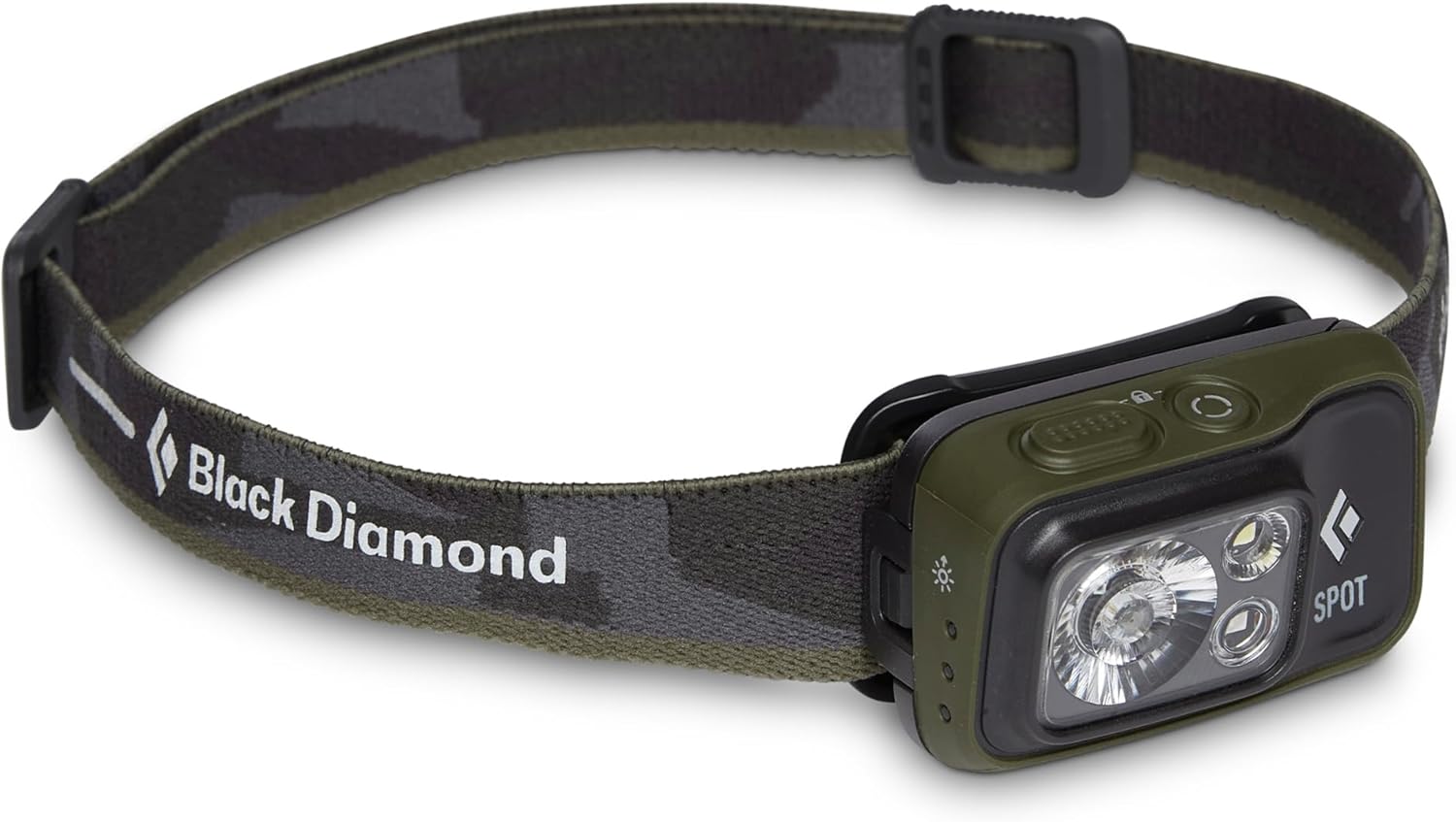
Hands-free light for a closet, a staircase, or a walk to the car
The listing is sold by a marketplace shop, not by Amazon the retailer

Every home with a furnace, fireplace, attached garage, or generator plan
It doesn't detect smoke by itself
One pouch kit you can cook with hot water. It's a few meals, not a month of food.

A small stack of just-add-water meals you can actually order
The listing doesn't print calories. Read the pouch panel before you call it a day of food
Print it. Tick a box when the thing is in the house, not when you meant to buy it.
As an Amazon Associate I earn from qualifying purchases. Affiliate disclosure.