For review
Reasons to Prep ·
When one router stopped departures across the country
On November 13, 2026, the FAA issued a nationwide ground stop after its telecommunications network became unstable. The agency says data flooded the network at about 1,000 connection attempts every 4 to 5 seconds during router work by contractor L3Harris. Air traffic resumed at 8:15 p.m. ET. The FAA says it has no indication this was a cyberattack.
Top pick

WR120 NOAA Weather and Emergency Alert Radio
A home radio that stays quiet until your county is actually in the alert
It's not your evacuation radio
Budget pick

Emergency Weather Radio A1
A grab-and-go crank radio when you want the high-volume Amazon listing
No SAME county filter. Every alert on the channel is your alert
Upgrade
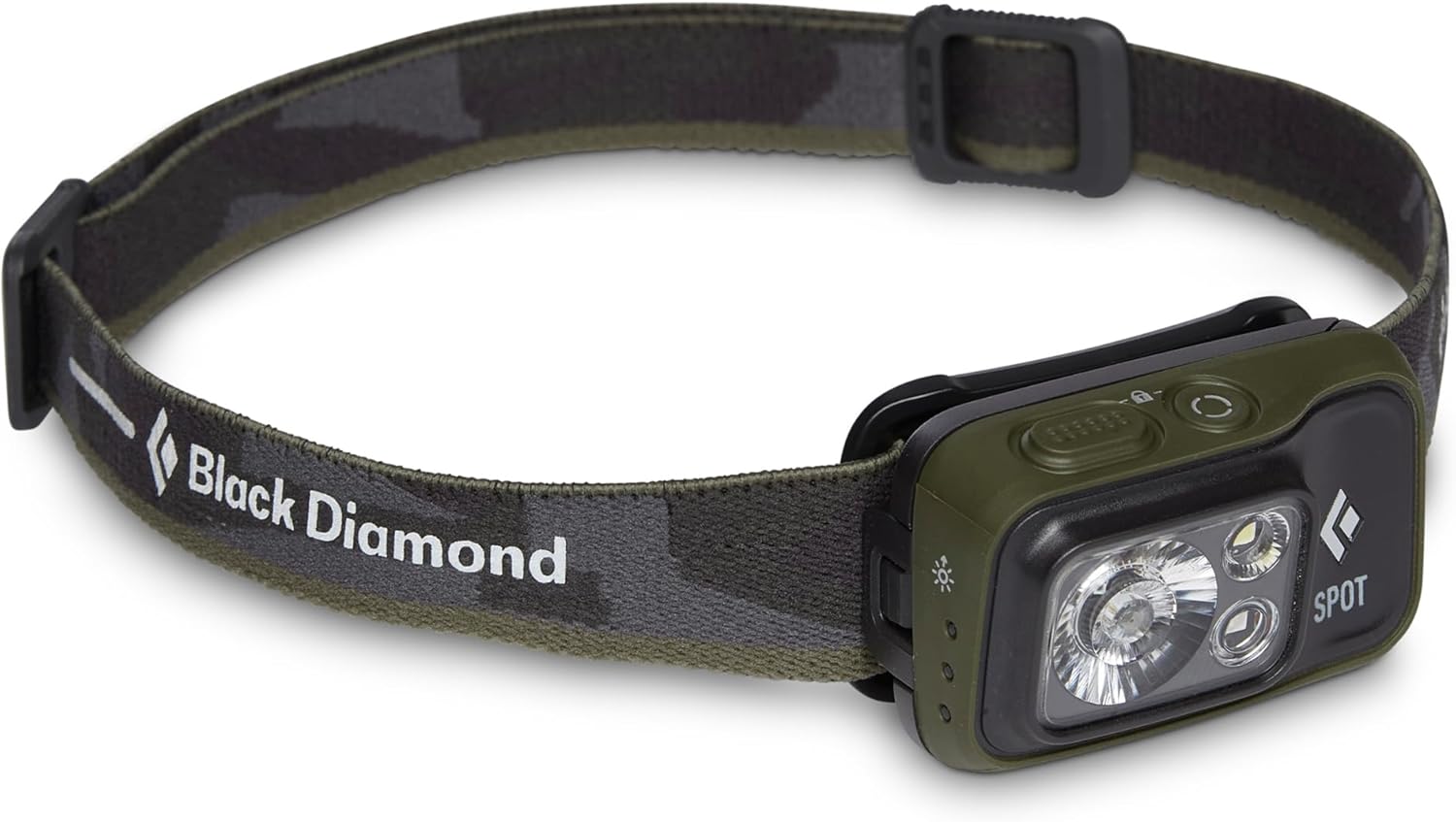
Spot 400
Hands-free light for a closet, a staircase, or a walk to the car
The listing is sold by a marketplace shop, not by Amazon the retailer
On Friday, November 13, 2026, at about 3:30 p.m. Eastern Time, the Federal Aviation Administration issued a nationwide ground stop. The FAA later said the system was stable again and air traffic resumed at 8:15 p.m. the same day. In a question-and-answer sheet dated November 15, the agency said the stop was made out of an abundance of caution, that some radio frequencies and radar feeds stayed usable, and that about 3,500 aircraft that were already airborne landed safely.
The cause, as the FAA described it, wasn’t a mystery hack. Legacy equipment became unstable when data began flooding the FAA’s FTI network at a rate of 1,000 connection attempts every 4 to 5 seconds. That disrupted aircraft communications and radar feeds. The initial investigation pointed at two possible locations: a radar site in Amarillo, Texas, and a radio site in El Dorado, Arkansas, where contractor L3Harris had been installing a new router. L3Harris blocked those two locations and the network stabilized. The broadcasting function was disabled on the new routers as a precaution, and the FAA said it disabled the same function on more than 60 other Juniper routers and paused further installs.
The FAA’s own answer to “was this a cyberattack?” is direct: based on available evidence, there was no indication of a cyberattack or an outside actor. Reuters reported that Transportation Secretary Sean Duffy said on Saturday that the problem was traced to L3Harris installing at least one new router, and that officials hadn’t yet determined whether the fault was installer error or a faulty router.
Cancellations were large, and the counts depend on who is counting. The FAA said that on November 13 operators canceled approximately 12,462 flights, including 9,082 by major airlines, and it added that not every cancellation was directly caused by the ground stop. Reuters, citing Flightradar24, reported that by 11:30 p.m. nearly 10,000 flights had been canceled. Those two figures aren’t the same measurement. Both are large enough to show the point: a single telecommunications failure can strand people far from home for a night.
A scheduled equipment change, on a network the FAA itself describes as legacy copper being replaced, was enough to halt departures nationwide. Officials spent the evening ruling out an attack. A lot of travelers spent the night in the terminal.
If someone in the house flies
Write an out-of-area contact on paper and put a copy in every wallet. The family communication plan is the template. If anyone flies in the next month, agree on a meeting point at the home airport and a backup person who can pick up children if a return is delayed overnight. Charge a battery bank and keep a headlamp where the car keys are. Put a NOAA weather radio where you can hear it without the phone. The FAA told travelers to check flight status and to be patient while airlines recovered. That advice only helps if your phone still has a charge and you already know who to text. The FAA said this outage wasn’t an attack. Wait for the agency before you repeat a louder version.
A home weather-alert radio such as the Midland WR120 is built to sit on NOAA alerts. A portable such as the FosPower A1 can ride in a bag. A compact headlamp such as the Black Diamond Spot 400 is for hands-free light if you’re walking a dark garage or a jet bridge. Confirm the current model details on the product page. We don’t publish prices or star ratings.
When you’re ready for the bag itself, start with the 72-hour grab-and-go list and the Grab & Go path. For the radio choice, use the radio desk.
Sources
- Nationwide Ground Stop: Questions and Answers, Federal Aviation Administration
- US air travel disruptions to persist until late on Sunday, FAA head says, Reuters
- US to resume flights after air traffic network failure sparks chaos, Reuters
As an Amazon Associate I earn from qualifying purchases. Affiliate disclosure.